comparison·alternatives Найкращі рішення для due diligence Mar 7, 20262 min read521 words Короткий огляд Ключовий висновок Що потрібно знати Зменшення ризиків постачальників Ретельний due diligence допомагає виявити потенційні проблеми з постачальниками, такі як фінансові ризики або проблеми з дотриманням нормативних вимог, перш ніж вони вплинуть на ваш бізнес. Оптимізація перевірки благонадійності Використовуйте спеціалізовані інструменти та […]
ultimate-guide·blog Юридична перевірка перед Mar 9, 20261 min read233 words Короткий огляд Ключовий висновок Що потрібно знати Мінімізуйте експортні ризики Юридична перевірка перед експортом допомагає виявити та уникнути потенційних юридичних проблем, що можуть призвести до фінансових втрат. Перевірка контрагентів – обов’язкова Переконайтеся в надійності та законності ваших партнерів, щоб уникнути шахрайства та порушення санкцій. Дотримуйтесь
Introduction Right decisions do not appear at the moment of choice. They are shaped much earlier—by the way in which choice becomes possible. In complex legal and investment processes, mistakes rarely arise from a lack of knowledge or inaccessible information. More often, they are the result of fragmented thinking—when each element is assessed in isolation,
Introduction Risks rarely emerge suddenly. More often, they exist long before they become visible. The issue is not their existence, but that at some point they cease to be visible. It is precisely at this point that decisions are made that appear logical, well-founded, and timely—while simultaneously creating the conditions for future complications. Why the
Introduction In cross-border projects, mistakes almost never begin with breaking the law. They begin with an assumption. The assumption that if a structure works in one jurisdiction, it will be read the same way in another. The assumption that formal correctness guarantees acceptability. The assumption that law is the only factor that matters. These are
Introduction A decision rarely proves to be wrong at the moment of signing. More often, it becomes wrong much earlier—at the point when it was made too late or too early. In complex legal and investment processes, the question is not only what is being decided, but when the decision is made and in what
Introduction Reputation does not emerge at the moment of conflict. It is formed much earlier—before a decision even takes shape. That is why it does not respond to explanations, cannot be “corrected,” and does not accept arguments once it becomes visible. Reputation works like inertia: the movement begins before the parties realize its direction, and
Introduction In most significant deals, due diligence is conducted. And in almost every troubled deal, it was conducted as well. The difference between a stable decision and one that loses manageability over time is not the mere fact of a review. It lies in what was considered sufficient. In practice, due diligence is often treated
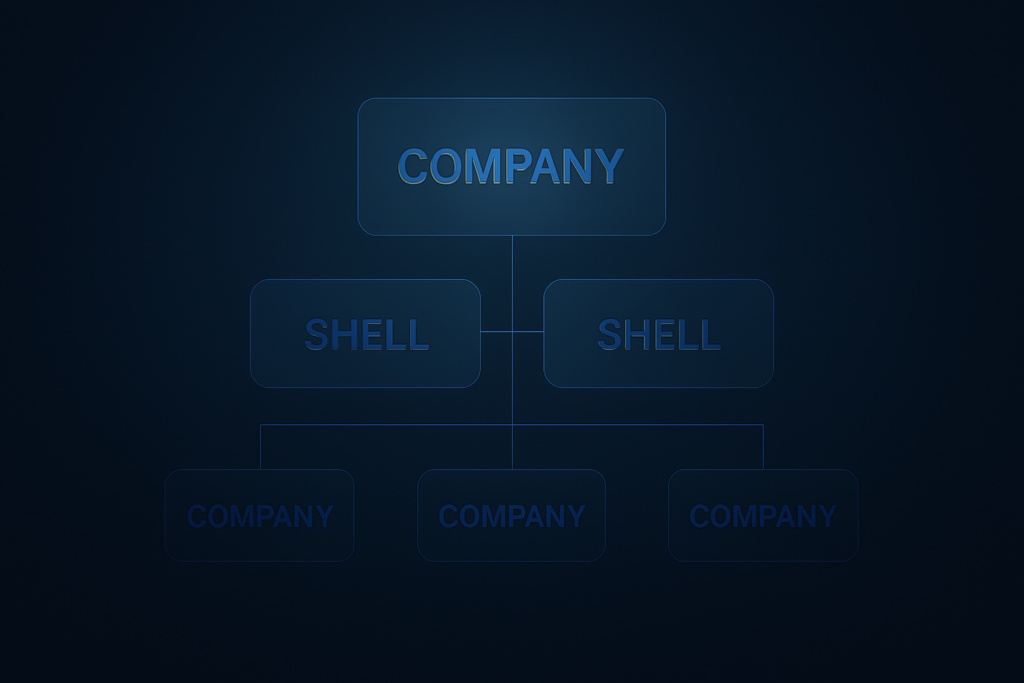
Introduction In complex business decisions, control rarely appears where people expect it. It almost never aligns with formal ownership charts—and even less often with what looks transparent on paper. A company may have an understandable structure. A beneficiary may be disclosed. Documents may meet the requirements. And yet, control can still remain blurred. It is
Introduction In most business cases, sanctions screening looks straightforward. There are lists. There are matches—or none. There is a formal result. At this stage, a sense of completion often emerges—as if the decision has passed all required filters and can be implemented safely. However, recent practice shows otherwise. Absence from sanctions lists increasingly does not